

Scottish and international peacebuilders meet under the Scottish Peace Programme
05 Aug 2026
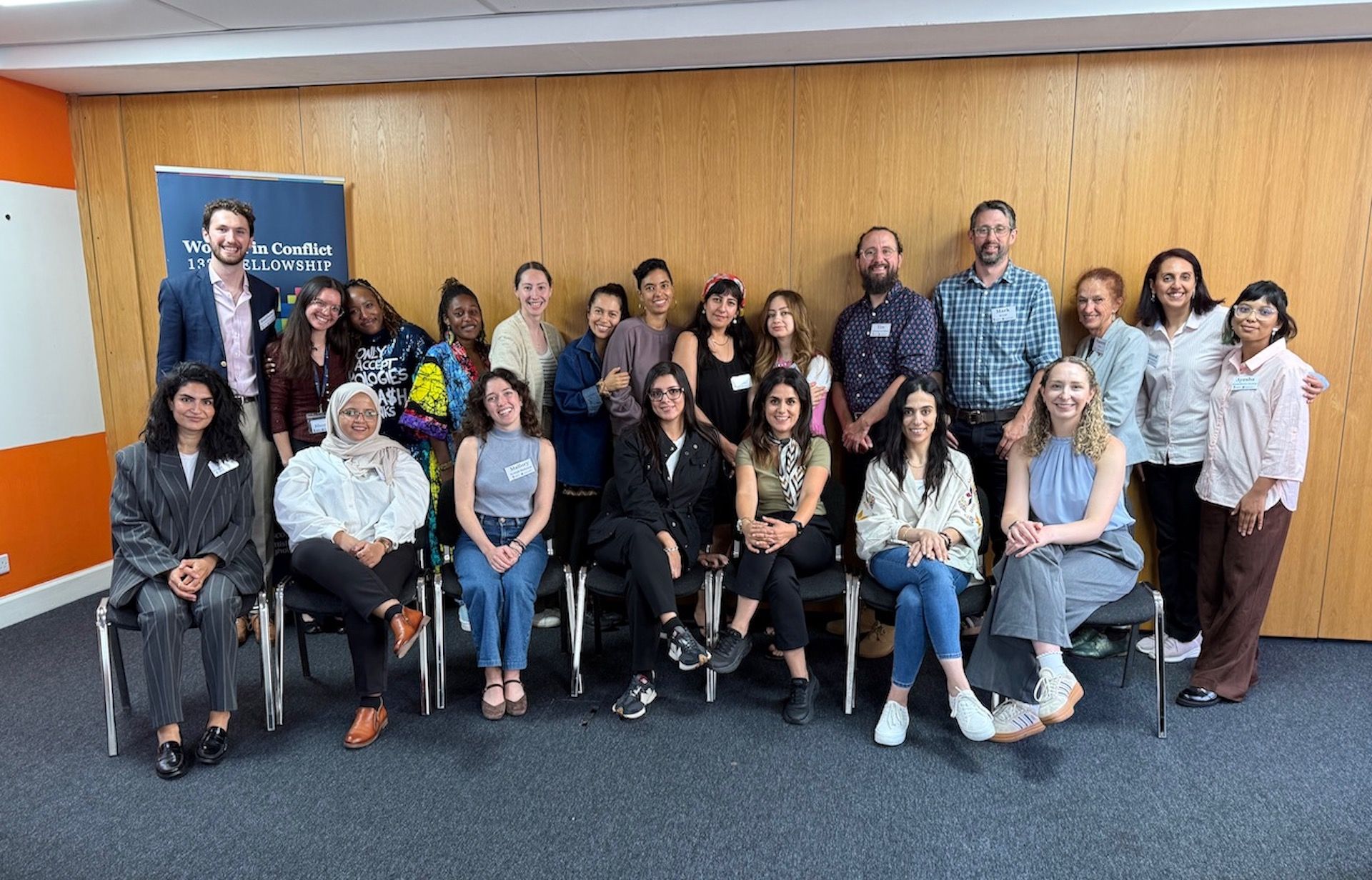
On Thursday 23rd July, the teams from Beyond Borders Scotland and the University of Edinburgh Law School working as the Secretariat for the Scottish Peace Programme were delighted to bring together Scottish and international colleagues working in peacebuilding for a morning of conversation, exchange, and finding connections.
The Scottish Peace Programme has two strands: the Scottish Peace Platform (SPP) and the Women in Conflict 1325 Fellowship programme. The SPP is an emerging network, established in 2025, which brings together organisations and individuals doing peace-related work in Scotland, to connect and cohere the work being done in this vibrant sector. The Women in Conflict 1325 Fellowship is a training and networking programme for leading women peacebuilders working in conflict-affected contexts, gathering groups of 10-15 women for a week-long residential Fellowship in Scotland three times per year. It has now welcomed over 400 women from 40 countries and territories, all of whom make up an increasingly active and impressive Alumnae Network.
Thursday morning’s session, which took place in Edinburgh in the middle of the July Fellowship, brought together individuals from these two initiatives, in-person, for the first time. The goal was for these practitioners and experts to get to know one another and exchange perspectives and best practice from the diverse – but often overlapping – contexts they are working in.
The discussions which emerged throughout the morning were wide-ranging, from comparing peer and local mediation programmes in Scotland and Lebanon, to introducing colleagues from the same organisation working in Palestine and Scotland. Repeatedly, the group identified the same challenges around funding, advocacy, militarism, and community-level conflict wherever they were working, and shared the solutions and opportunities they have found.
The short session was a powerful reminder that peacebuilding practices and principles are applicable across multiple and varied types of conflict, and that the most effective work is locally-led and contextually-rooted.
Many thanks to the incredible Fellows and SPP members who took part in this exchange.
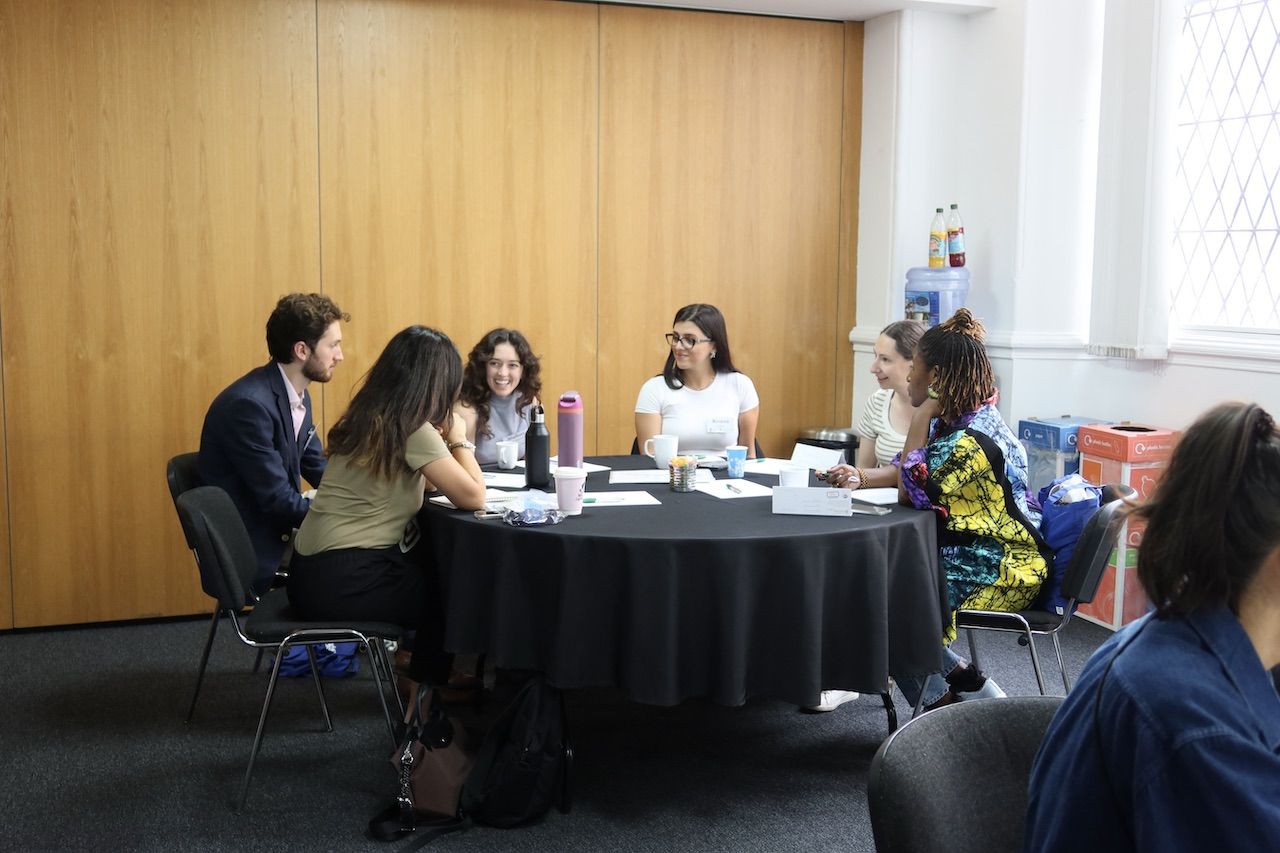
Mallory Hybl, Peer Mediation Project Officer at Scottish Mediation discusses mediation with Remy Makhlouf, a mediator working in Lebanon.
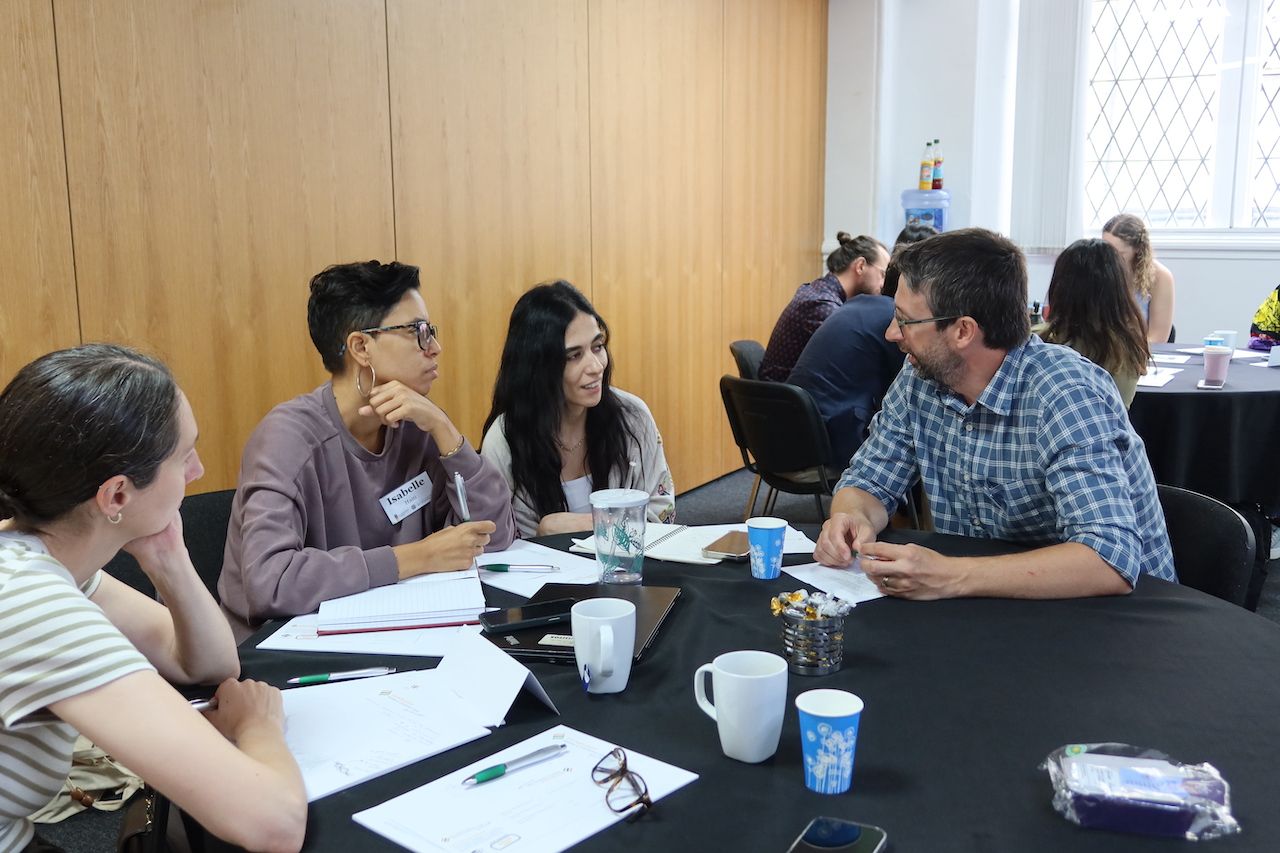
Isabelle Clerie, a transitional justice expert working in Haiti, and Raghda Da’boub, a gender justice practitioner working in Palestine, discuss humanitarian and peacebuilding work with Mark Camburn, SCIAF.